LEGAL AND REGULATORY IMPLICATIONS OF INTEGRATING INDUSTRIAL ROBOTS INTO LEGACY PRODUCTION LINES

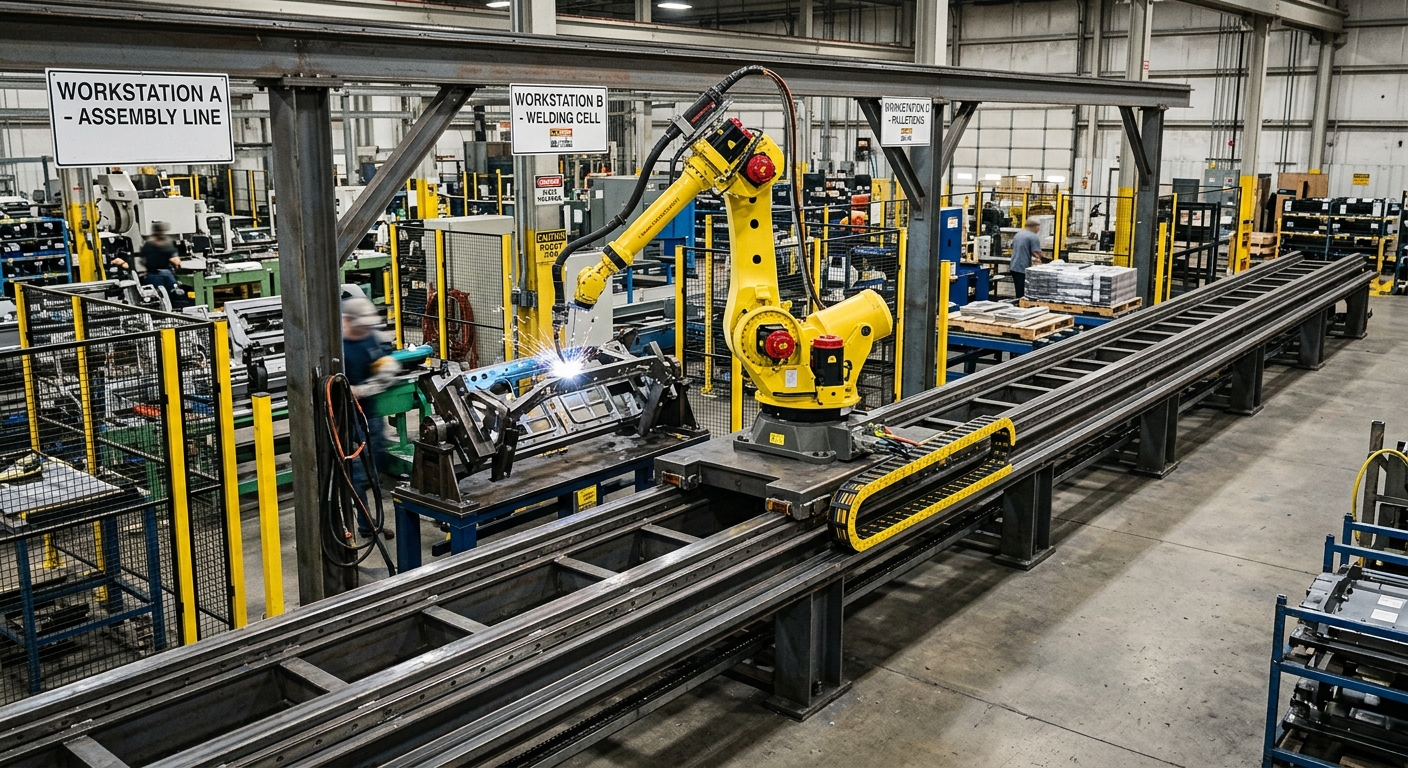
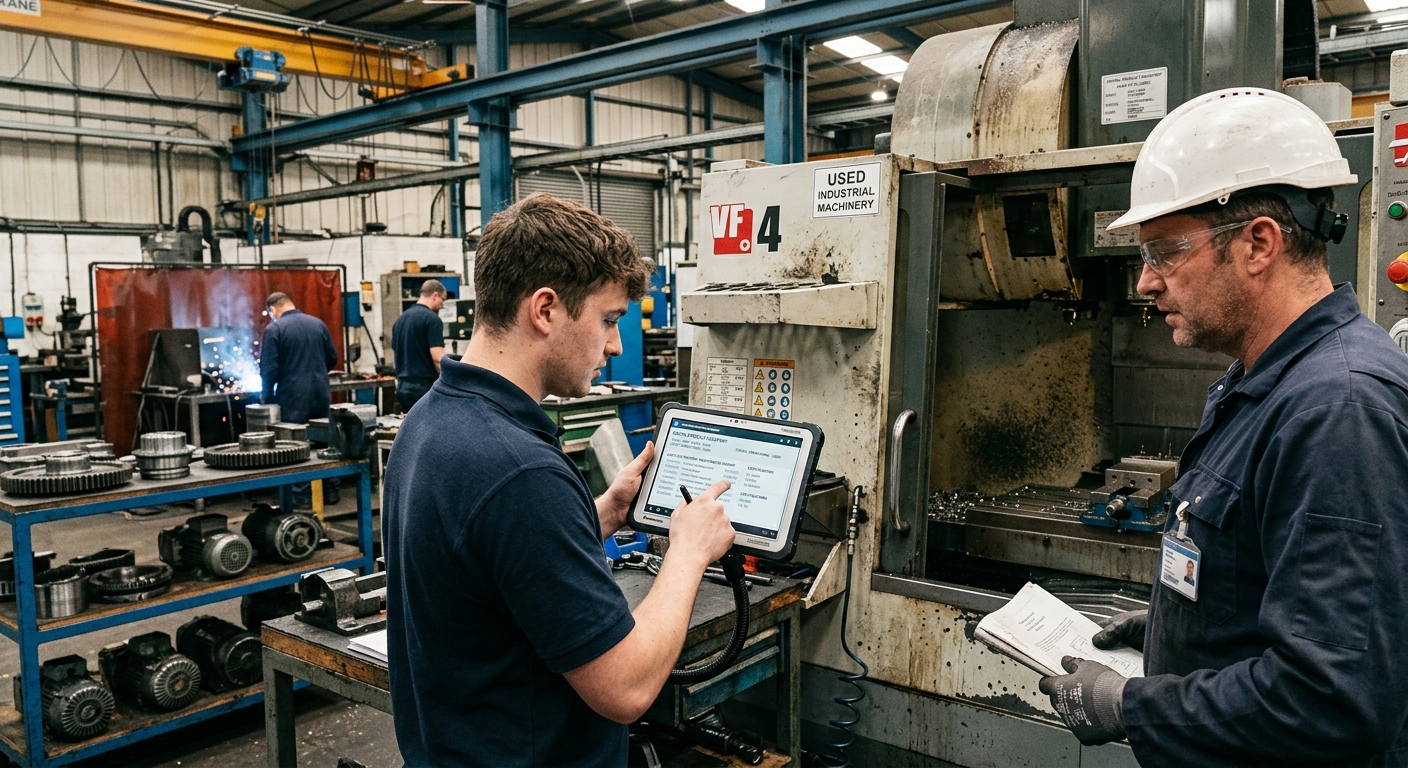
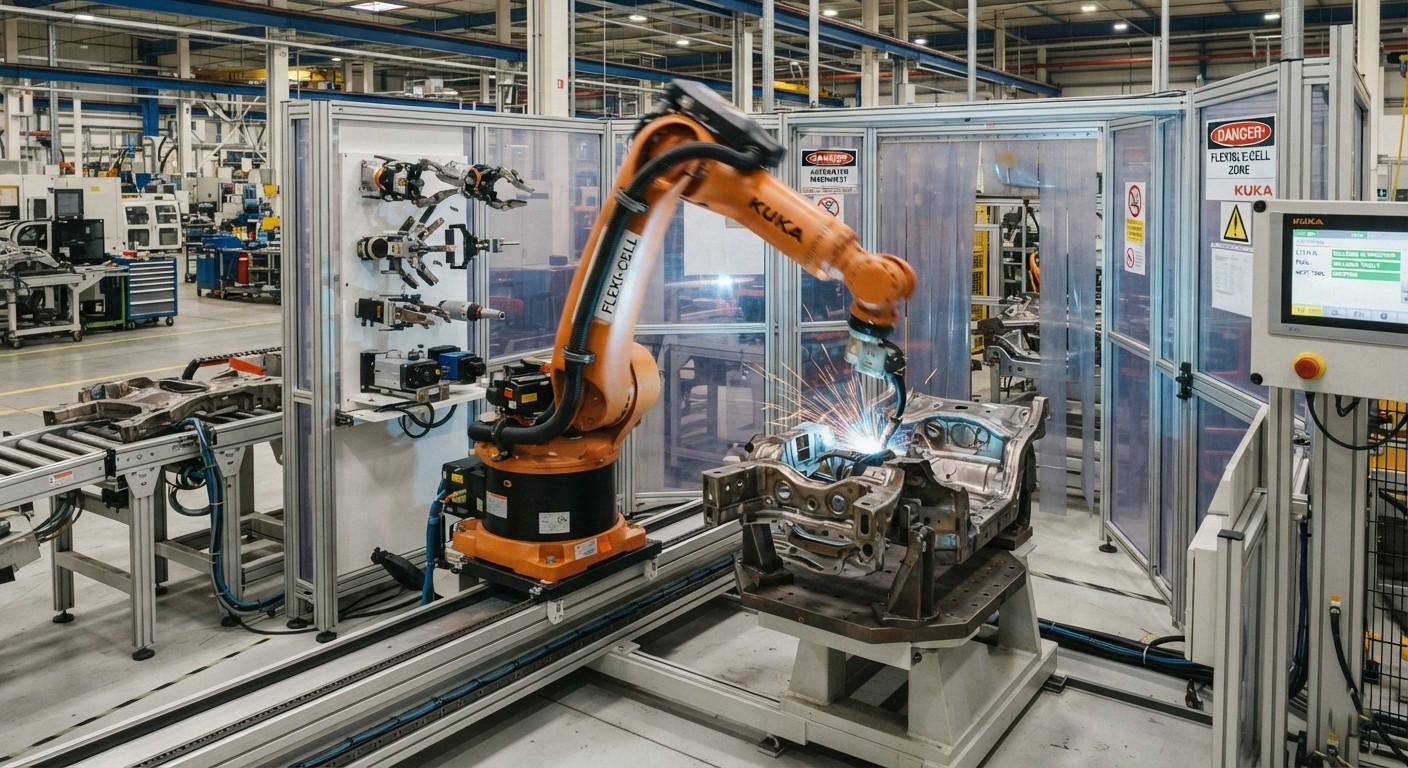
A significant part of today’s industrial landscape still operates with legacy production lines designed decades ago. Robust machines, proven processes, and layouts that have worked reliably for years now face the need to integrate industrial robotic automation. This is where a critical — and often underestimated — question arises: What happens when a modern industrial

Read More

WHICH ROBOT TO CHOOSE IF YOUR LINE HANDLES MULTIPLE PACKAGING FORMATS

Yes, it is absolutely possible to successfully automate a line that handles a wide variety of packaging formats — but there is no single robot that can solve every situation on its own. The right choice depends on: available space product fragility geometry and weight frequency and complexity of format changeovers When these criteria are

Read More

HOW TO KNOW IF A ROBOT FITS YOUR PLASTIC INJECTION MOLDING PROCESS

A robot can bring significant value to plastic injection molding — but not in every process, and not in the same way. For automation to be truly profitable, it is essential to verify that cycle time, mold stability, post‑processing requirements, and part logistics actually justify the use of a robot. When this analysis is done

Read More

HOW TO ROBOTIZE CNC MACHINE LOADING AND UNLOADING WITHOUT CREATING BOTTLENECKS

Yes, CNC machine loading and unloading can be robotized without creating bottlenecks — but only if the project is designed around the real machining rhythm. The robot must adapt to the machine cycle time, part presentation, and auxiliary operations — not the other way around. When synchronization is done correctly, the cell gains productive hours,

Read More

WHAT HAPPENS IF THE REAL BEHAVIOR OF THE MATERIAL DOES NOT MATCH THE SIMULATION?

Simulation always looks calm. Everything flows. Nothing vibrates. Nothing shifts. No surprises. On screen, the robot never hesitates. That’s why, when the system moves from the digital environment to the real plant, the contrast is often brutal. The first contact with the real material — the one with history, moisture, internal stresses, inherited tolerances —

Read More

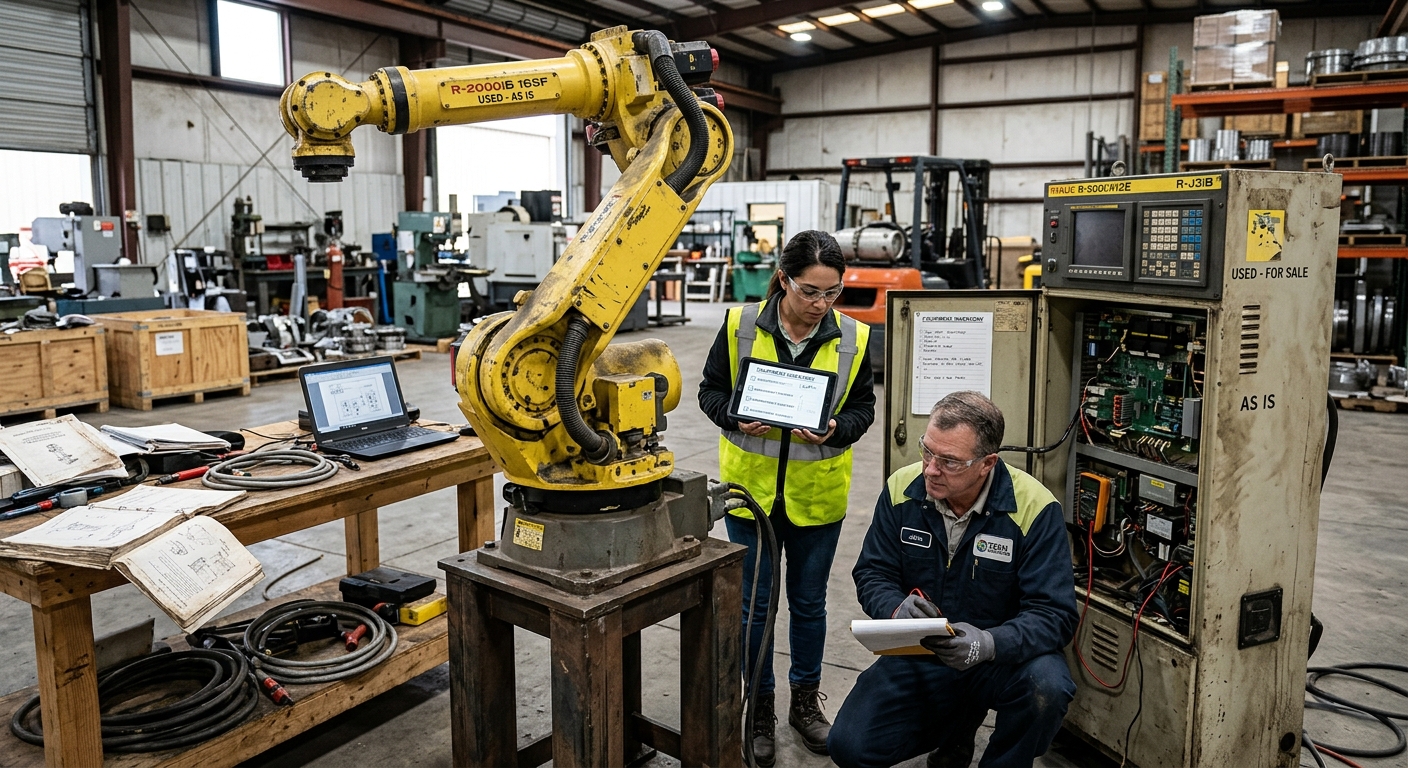
HOW TO EVALUATE THE COMPATIBILITY OF A REFURBISHED ROBOT WITH THE EXISTING AUTOMATION SYSTEMS IN MY PLANT?

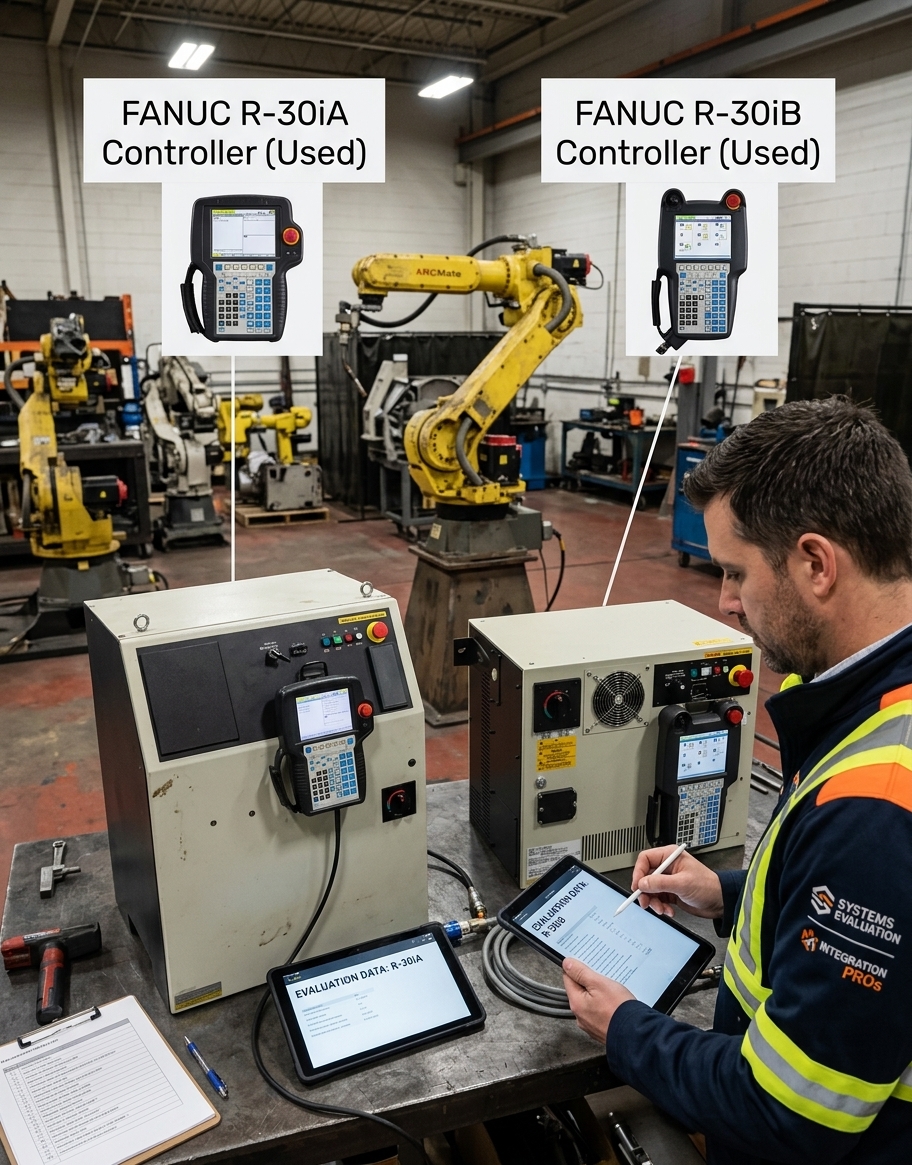
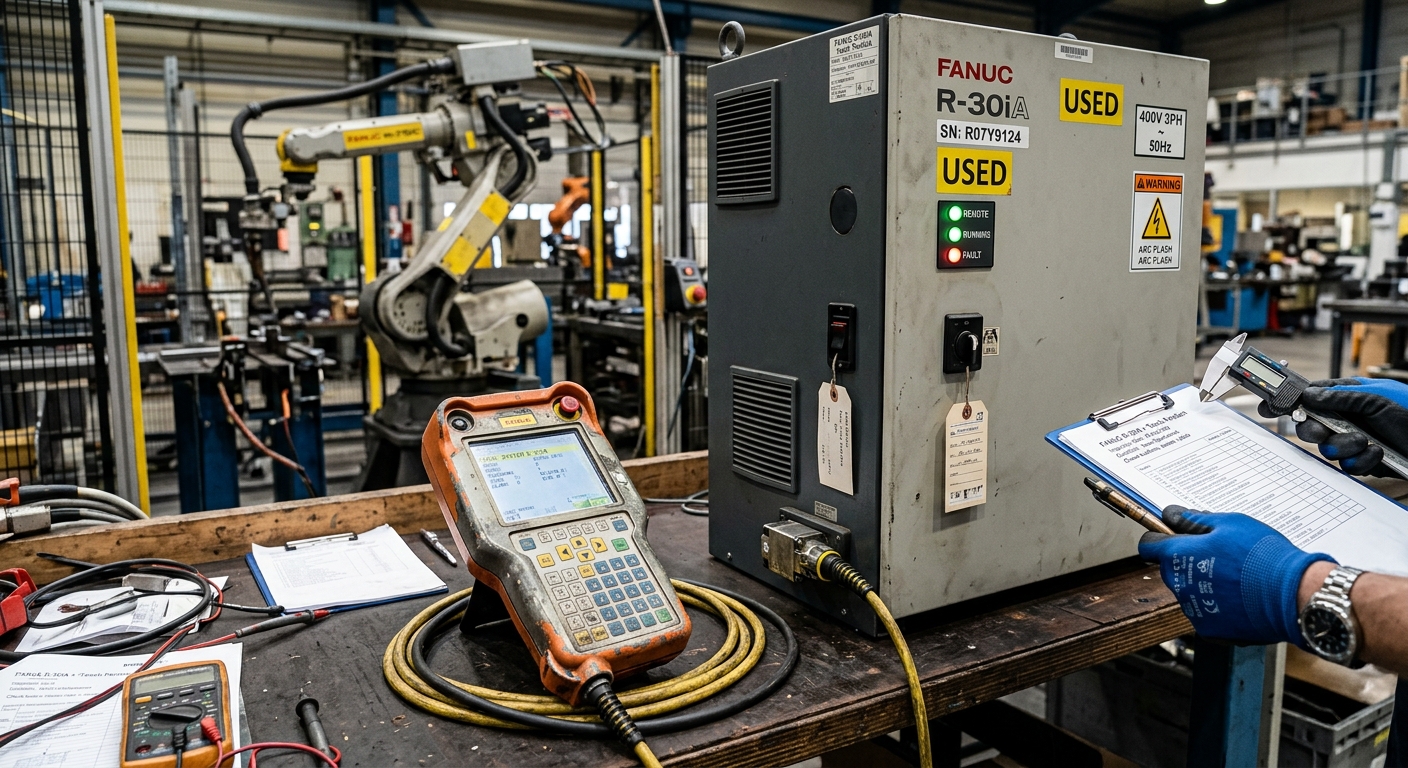
To reduce investment costs and simplify the automation of their processes, many companies choose refurbished industrial robots. When selected and integrated correctly, a refurbished robot can deliver significant economic benefits and performance comparable to a new one. However, one of the most common challenges when implementing refurbished robots is ensuring that they integrate seamlessly with

Read More

WHAT HAPPENS IF MY PROCESS CHANGES IN THE FUTURE?

The silent fear of a robotic cell becoming obsolete. “What if in two years this no longer works for me?” Few industrial decisions trigger as much reflection as this one: “What happens if I invest in automation… and then the product changes?” This is not a technical question. It’s a strategic one — and a

Read More

WHICH KEY PERFORMANCE INDICATORS (KPIs) SHOULD I MEASURE TO DETERMINE THE SUCCESS OF A ROBOTIC AUTOMATION PROJECT AFTER IMPLEMENTATION?

Implementing robotic automation in an industrial plant is not just about purchasing a robot or a cell — it’s about measuring whether it is truly delivering the expected benefits in productivity, quality, and cost reduction. To do this, it is essential to define and track Key Performance Indicators (KPIs) that validate the impact of automation

Read More

How Does Predictive Maintenance Influence the Reliability and Lifespan of Robotic Systems in Industrial Automation?

Not only the choice of the robot, but also its maintenance throughout its entire lifecycle, is a critical factor in achieving high performance within automated industrial production lines. To maximize the availability and reliability of automated systems, traditional maintenance approaches—whether preventive or reactive—are often not enough. For this reason, more and more industrial sectors are

Read More

What Type of Robot Is Best Suited for Milling Small Components or Mold Deburring, and Why? What Solution Does URT Offer?

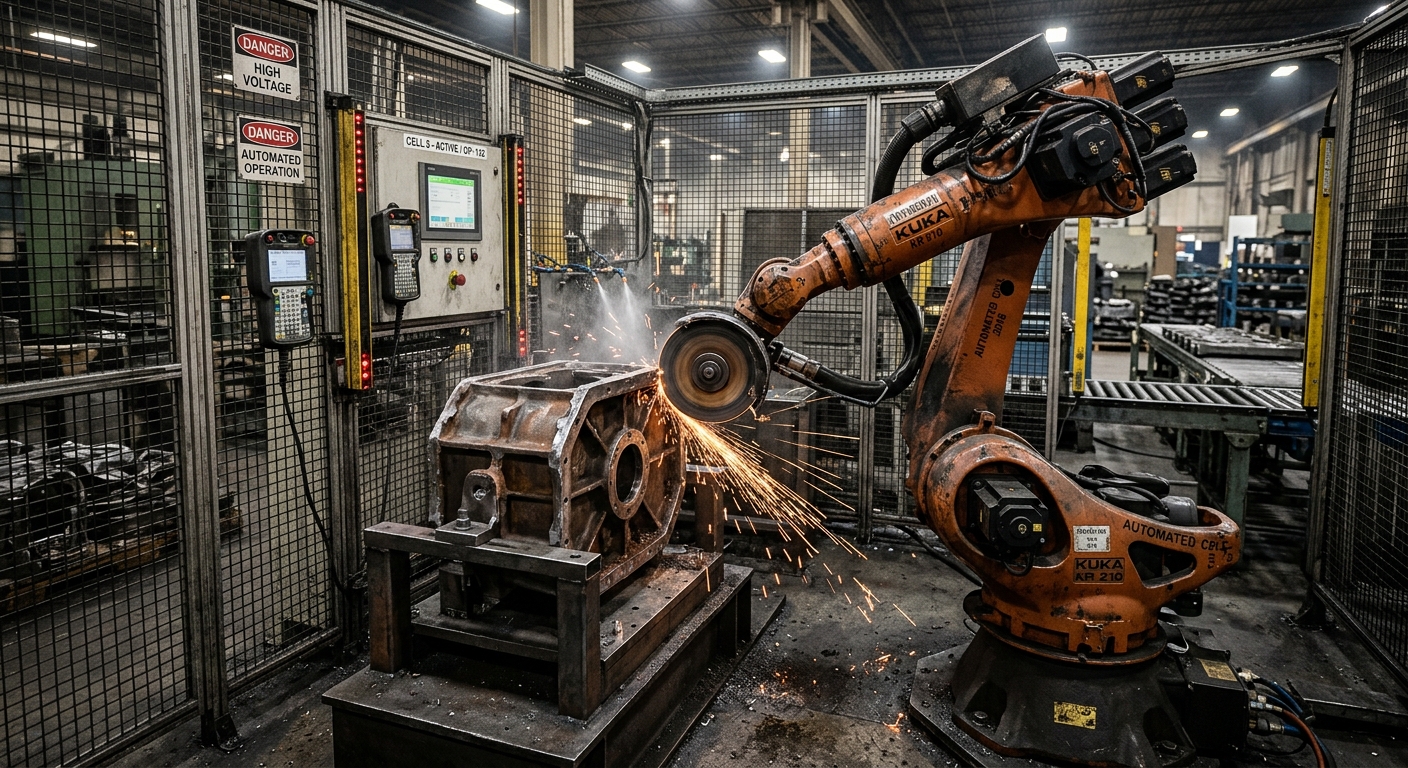
Milling small parts and deburring mold flash share a key requirement: they demand consistent precision in repetitive operations, often involving metals, polymers, or alloys. In these cases, the decisive factor isn’t brute force but motion control, stability, and repeatability. For this reason, these applications are among the most common robotic processes in industries such as

Read More